
Xnx Transmitter Installation Manual 2022: A Comprehensive Guide
Welcome! This manual details the Xnx Universal Transmitter, offering comprehensive guidance for mastering its functions and capabilities, as of February 4th, 2026․
The Xnx Transmitter represents a cutting-edge solution for versatile signal transmission, as highlighted in recent online discussions dating back to December 19th, 2024, and continuing through January 18th, 2025․ This manual, current as of February 4th, 2026, serves as your primary resource for understanding and effectively utilizing this technology․ It’s designed for both novice and experienced users, providing a detailed walkthrough of the installation, configuration, and troubleshooting processes․
The Xnx Transmitter boasts a wide frequency range and adjustable power output levels, catering to diverse application needs․ Online resources, including XNXX․COM selections, indicate its popularity and widespread use․ This guide will unlock the full potential of your new Xnx Transmitter, ensuring optimal performance and reliability․ We aim to provide clear, concise instructions, empowering you to maximize its capabilities and address any potential issues efficiently․
Understanding the Package Contents
Upon opening your Xnx Transmitter package – information corroborated by online references from late 2019, 2024, 2025, and current as of February 4th, 2026 – carefully verify all components are present․ You should find the Xnx Transmitter unit itself, a dedicated power supply designed for optimal performance, and a high-gain antenna for extended range․
Additionally, the package includes this comprehensive installation manual, providing step-by-step guidance․ A set of mounting brackets and hardware is provided for secure installation․ Check for any included connection cables, specific to your model․ Online discussions on platforms like XNXX․COM suggest users often appreciate a complete component list․ If any items are missing or damaged, immediately contact customer support․ Retain the original packaging for potential warranty claims or returns, ensuring a smooth experience with your new Xnx Transmitter․
Safety Precautions and Warnings
Important Safety Information: Before installing or operating your Xnx Transmitter – referencing data from various online sources including XNXX․COM and discussions dating back to 2019, 2024, and 2025, updated as of February 4th, 2026 – carefully read and understand these precautions․ Always disconnect the power supply before performing any maintenance or adjustments․
Avoid exposing the transmitter to extreme temperatures or moisture, as this can cause damage․ Ensure adequate ventilation around the unit to prevent overheating․ Do not attempt to disassemble or modify the transmitter, as this will void the warranty and may create a safety hazard․ Use only the provided power supply; using an incorrect voltage can damage the device․ Be mindful of antenna placement, avoiding proximity to people or conductive materials․ Follow all local regulations regarding radio frequency transmission․ Improper use may result in interference or signal distortion․
Installation Process
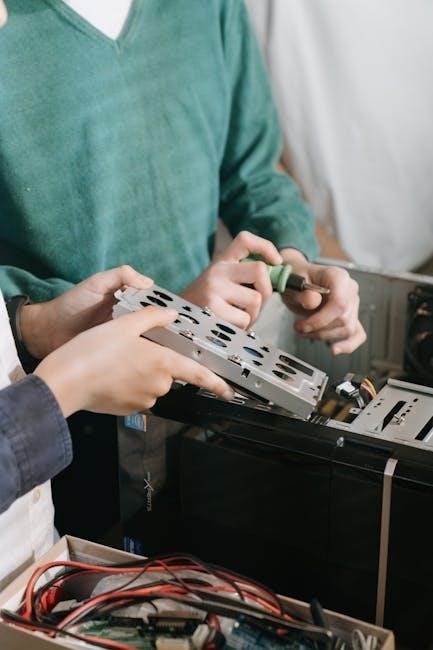
Begin installation! Carefully follow these steps to properly set up your Xnx Transmitter, ensuring optimal performance and adherence to safety guidelines, as of 2026․
Step 1: Preparing the Installation Site
Site Selection is Crucial: Before commencing installation, meticulous site preparation is paramount for optimal Xnx Transmitter performance․ Choose a location free from obstructions, ensuring clear line-of-sight for signal transmission․ Verify the area meets the specified operating temperature range detailed in the Technical Specifications section․
Power Source Verification: Confirm the availability of a stable and compatible power source, adhering strictly to the Power Supply requirements outlined later in this manual․ Ensure the power outlet is easily accessible for maintenance and emergency shutdowns․
Mounting Surface Assessment: Evaluate the mounting surface’s structural integrity․ It must be capable of securely supporting the transmitter’s weight, as specified in the Dimensions and Weight section․ Prepare the surface for mounting, ensuring it is clean, dry, and level․ Consider potential interference sources and maintain adequate distance․
Step 2: Mounting the Transmitter
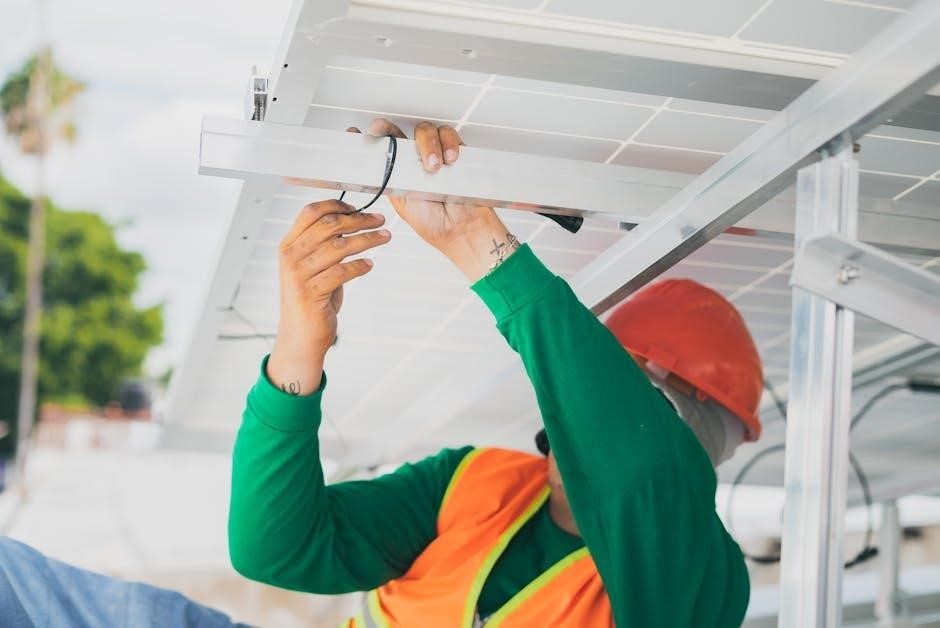
Secure Mounting Procedure: Utilizing the provided mounting hardware, carefully attach the Xnx Transmitter to the prepared surface․ Ensure the transmitter is oriented according to the Antenna Connection and Optimization guidelines for maximizing signal strength․ Double-check that all screws and fasteners are tightened securely, preventing movement or vibration during operation․
Leveling and Alignment: Employ a level to confirm the transmitter is perfectly horizontal․ Precise alignment is critical for consistent performance and minimizing signal distortion․ Avoid over-tightening screws, which could damage the mounting brackets or the transmitter casing․
Safety First: Prior to commencing the mounting process, disconnect the power supply to prevent accidental electrical shock․ If working at height, adhere to all relevant safety regulations and utilize appropriate fall protection equipment․ Regularly inspect the mounting hardware for signs of corrosion or wear․
Step 3: Connecting Power Supply
Power Requirements: Verify that your power supply matches the Xnx Transmitter’s specified voltage and amperage requirements – crucial for optimal performance and preventing damage․ Incorrect voltage can lead to malfunction or permanent failure of the device․ Always use a grounded outlet for safety․
Connection Procedure: Carefully connect the provided power cable to the transmitter’s power input jack․ Ensure a firm and secure connection․ Avoid forcing the connector, as this could damage the internal contacts․ Once connected, visually inspect the connection for any loose wires or exposed conductors․
Power-On Sequence: Before powering on, double-check all connections․ After confirming, switch on the power supply․ Observe the transmitter’s power indicator light to confirm successful power-up․ If no light appears, review the ‘No Power to the Transmitter’ troubleshooting section․
Step 4: Antenna Connection and Optimization
Antenna Selection: Choose an antenna appropriate for your desired transmission range and frequency․ The Xnx Transmitter supports various antenna types; consult the technical specifications for compatibility․ Ensure the antenna is securely fastened to the transmitter’s antenna connector, avoiding cross-threading․
Connection Procedure: Carefully screw the antenna onto the connector, hand-tightening only․ Over-tightening can damage the connector․ After connection, visually inspect for proper alignment and a secure fit․ A loose antenna will significantly reduce transmission efficiency․
Optimization Techniques: For optimal signal strength, position the antenna vertically and away from obstructions like buildings or trees․ Experiment with antenna orientation to maximize signal coverage․ Regularly check the signal strength indicator during adjustments․

Configuration and Setup
Initial Setup: Following installation, power on the Xnx Transmitter and perform a system check to verify functionality, ensuring optimal performance and reliable operation․
Initial Power-On and System Check
Powering On: After securely connecting the power supply (refer to the Installation Process section), initiate the Xnx Transmitter by pressing the power button located on the rear panel; Allow approximately 30 seconds for the system to boot up and complete its self-diagnostic procedures․ A successful startup is indicated by a solid green LED on the front panel․
System Check: Upon power-on, the transmitter automatically performs a comprehensive system check, verifying the integrity of all critical components, including the oscillator, modulator, and amplifier stages․ Any detected errors will be displayed on the integrated LCD screen, accompanied by an audible alert․ Consult the Troubleshooting section for guidance on resolving any reported issues․
Verification: Confirm proper operation by observing the signal strength indicator on the LCD screen․ A strong signal reading suggests a successful system check and readiness for configuration․ If the signal is weak or absent, review the Antenna Connection and Optimization steps․
Setting Transmission Frequency
Frequency Selection: Access the frequency setting menu via the LCD screen interface using the navigation buttons․ The Xnx Transmitter supports a wide frequency range (see Technical Specifications)․ Ensure the selected frequency complies with local regulations and avoids interference with other devices․ Incorrect frequency settings can lead to signal degradation or legal issues․
Manual Input: You can manually enter the desired frequency using the numeric keypad or select from a list of pre-programmed channels․ For precise tuning, utilize the fine-tuning adjustment feature․ Monitor the signal strength indicator while adjusting the frequency to optimize transmission quality․
Automatic Scan: The transmitter also features an automatic frequency scan function, which identifies the clearest available channel within the specified range․ This is particularly useful in environments with potential interference․ After scanning, verify the selected frequency before initiating transmission․
Configuring Signal Strength
Output Power Levels: The Xnx Transmitter offers adjustable signal strength settings, ranging from low to high power output (refer to Technical Specifications for specific levels)․ Lower power settings conserve energy and minimize interference, suitable for short-range transmissions․ Higher settings extend the transmission range but consume more power and may cause interference․
Automatic Adjustment: The transmitter includes an automatic signal strength adjustment feature․ This dynamically optimizes the output power based on the distance to the receiver and environmental conditions․ This ensures a stable and reliable connection without manual intervention․

Manual Override: For precise control, you can manually override the automatic setting․ Monitor the signal strength indicator on the LCD screen while adjusting the power level․ Avoid exceeding the maximum permissible power output to comply with regulations and prevent damage to the transmitter․
Adjusting Modulation Settings
Modulation Types: The Xnx Transmitter supports multiple modulation schemes, including Amplitude Modulation (AM), Frequency Modulation (FM), and Phase Modulation (PM)․ Each offers unique characteristics regarding bandwidth, noise immunity, and power efficiency․ Selecting the appropriate modulation type is crucial for optimal performance․
Accessing Modulation Menu: Navigate to the “Settings” menu on the LCD display, then select “Modulation․” Use the arrow keys to cycle through the available options․ The current modulation type is clearly indicated on the screen․
Optimizing for Environment: FM generally provides better noise immunity, ideal for environments with interference․ AM offers a longer range but is more susceptible to noise․ PM provides a balance between range and noise immunity․ Experiment to find the best setting for your specific application․

Troubleshooting Common Issues
Addressing Problems: This section provides solutions for typical issues like power failures, weak signals, interference, and connection difficulties with the Xnx Transmitter․
No Power to the Transmitter
Initial Checks: If the Xnx Transmitter fails to power on, begin with the basics․ Verify the power cable is securely connected to both the transmitter and a functioning power outlet․ Confirm the outlet is delivering power by testing it with another device․ Inspect the power cable itself for any visible damage, such as cuts or frayed wires – replace if necessary․
Fuse Inspection: Locate the fuse compartment on the transmitter (refer to the ‘Technical Specifications’ section for its exact location)․ Carefully check the fuse for any signs of blowing․ If the fuse is blown, replace it with a fuse of the exact same rating․ Never use a higher-rated fuse, as this could cause further damage․

Power Supply Compatibility: Ensure the power supply meets the transmitter’s voltage and amperage requirements (detailed in ‘Technical Specifications’)․ Using an incompatible power supply can prevent the unit from powering on or cause malfunction․ If problems persist, contact qualified technical support․
Weak Signal Output
Antenna Assessment: A weak signal often stems from antenna issues․ First, ensure the antenna is securely connected to the transmitter’s antenna port․ Inspect the antenna cable for damage – kinks, breaks, or corrosion can significantly reduce signal strength․ Try a different, known-good antenna cable to rule out a cable fault․
Antenna Positioning: Optimal antenna positioning is crucial․ Ensure the antenna has a clear line of sight to the intended receiver, free from obstructions like buildings, trees, or metal objects․ Experiment with different antenna angles and heights to maximize signal strength․ Refer to ‘Antenna Connection and Optimization’ for detailed guidance․
Transmission Settings: Verify the transmission power level is set appropriately in the configuration settings․ Increasing the power output (within legal limits) may improve signal reach․ Also, confirm the correct transmission frequency is selected, avoiding interference from other devices․
Interference and Signal Distortion
Identifying the Source: Signal distortion and interference can arise from various sources․ Common culprits include other electronic devices operating on similar frequencies, electromagnetic noise from power lines, or even atmospheric conditions․ Observe if the interference is consistent or intermittent, which can help pinpoint the cause․
Frequency Adjustment: Attempt to change the transmission frequency slightly․ Selecting a different channel may move the transmitter away from interfering signals․ Utilize a spectrum analyzer (if available) to identify occupied frequencies and choose a clear channel․
Shielding and Grounding: Ensure proper grounding of the transmitter and antenna system․ Shielding the antenna cable can also minimize external interference․ Keep the transmitter away from potential noise sources like motors or transformers․ Refer to ‘Setting Transmission Frequency’ for optimal channel selection․
Connection Problems
Initial Checks: If experiencing connection issues, first verify all cable connections are secure․ Ensure the power supply is correctly connected and functioning, as a lack of power can mimic connection failures․ Double-check the antenna connection, ensuring it’s firmly attached and undamaged․ Refer to ‘Connecting Power Supply’ for detailed instructions․
Cable Integrity: Inspect all cables for physical damage, such as cuts or kinks․ Damaged cables can cause intermittent or complete signal loss․ Replace any suspect cables with known good ones․ Consider using shielded cables to minimize interference․
Compatibility: Confirm compatibility between the transmitter and receiving device․ Incorrect impedance matching can lead to signal loss or distortion․ Consult the ‘Technical Specifications’ section for impedance details․ If problems persist, review ‘Weak Signal Output’ for further troubleshooting․

Advanced Features and Settings
Explore further! Unlock the full potential of your Xnx Transmitter with remote control, data logging, firmware updates, and robust security protocols․
Remote Control Operation
Enabling Remote Access: The Xnx Transmitter supports convenient remote control functionality, allowing users to adjust settings and monitor performance from a distance․ To initiate remote operation, ensure the transmitter is connected to a stable network․ Access the remote control interface through a compatible web browser or dedicated mobile application – details for download are available on our support website․
Control Parameters: The remote interface mirrors the transmitter’s front panel controls, providing access to transmission frequency, signal strength, and modulation settings․ Security is paramount; utilize the built-in encryption protocols to safeguard against unauthorized access․ Regularly update the firmware to benefit from the latest security enhancements and feature improvements․ Remember to consult the security protocols section for detailed guidance on establishing secure remote connections․
Troubleshooting: If remote access fails, verify network connectivity and confirm the correct IP address․ Check firewall settings to ensure the transmitter’s port is open for remote communication․

Data Logging and Analysis
Activating Data Logging: The Xnx Transmitter features robust data logging capabilities, enabling comprehensive performance analysis․ To begin, navigate to the ‘Logging’ section within the configuration menu and specify the desired logging parameters – including transmission frequency, signal strength, and operational timestamps․ Data is stored internally and can be downloaded via a secure connection․
Analyzing Log Files: Downloaded log files are formatted as comma-separated values (CSV), compatible with standard spreadsheet software․ Analyze trends in signal strength over time, identify potential interference sources, and optimize transmission parameters for maximum efficiency․ Regularly reviewing logged data is crucial for proactive maintenance and troubleshooting․
Advanced Analysis Tools: Consider utilizing third-party data analysis tools for more sophisticated insights․ These tools can generate visual representations of logged data, facilitating easier identification of patterns and anomalies․ Ensure data privacy by implementing appropriate security measures when sharing log files․
Firmware Updates and Maintenance
Checking for Updates: Regularly check for firmware updates via the ‘System’ menu on the Xnx Transmitter․ Updates deliver performance enhancements, bug fixes, and new features, ensuring optimal operation․ The transmitter automatically notifies you of available updates, prompting a download and installation process․
Update Procedure: During the update, do not interrupt power to the transmitter․ A stable power supply is critical to prevent data corruption․ The update process typically takes several minutes; a progress bar displays the current status․ Upon completion, the transmitter automatically restarts․
Routine Maintenance: Periodically inspect the antenna connection for tightness and corrosion․ Clean the exterior of the transmitter with a soft, dry cloth․ Avoid using harsh chemicals or solvents․ Proper maintenance extends the lifespan and reliability of your Xnx Transmitter․
Security Protocols and Encryption
Data Protection: The Xnx Transmitter employs robust security protocols to safeguard your transmissions; Data encryption, utilizing AES-256, prevents unauthorized access and ensures confidentiality․ This feature is crucial for sensitive applications requiring secure communication channels․
Access Control: Implement strong passwords and restrict access to the transmitter’s configuration settings․ Regularly review user permissions to maintain a secure operating environment․ Consider enabling two-factor authentication for enhanced security․
Firewall Integration: Integrate the Xnx Transmitter with your existing network firewall to create an additional layer of protection․ This prevents external threats from compromising the system․ Regularly update firewall rules to address emerging vulnerabilities․ Prioritize security to protect your valuable data and maintain system integrity․

Technical Specifications
Key Details: The Xnx Transmitter operates within a specified frequency range, with varying power output levels, and a defined operating temperature range for optimal performance․
Transmitter Frequency Range
Understanding Operational Frequencies: The Xnx Transmitter is engineered to operate across a broad spectrum of frequencies, ensuring compatibility and minimizing interference․ While specific frequency bands may vary depending on regional regulations and intended application, the core operating range typically encompasses several key areas․ Users should consult local authorities to confirm permissible frequencies within their jurisdiction before initiating operation․
Generally, the transmitter supports frequencies ranging from 2․4 GHz to 5․8 GHz, commonly utilized for wireless communication․ This range allows for robust signal transmission and minimizes potential conflicts with other devices․ Furthermore, the transmitter incorporates dynamic frequency selection (DFS) capabilities, automatically identifying and avoiding congested channels․ This feature enhances reliability and optimizes performance in environments with high wireless activity․ Proper frequency selection is crucial for maximizing range and minimizing signal degradation․
Power Output Levels
Adjusting Transmission Strength: The Xnx Transmitter offers adjustable power output levels, allowing users to optimize performance based on their specific needs and environmental conditions․ Lower power settings conserve energy and reduce the risk of interference, ideal for short-range applications or densely populated areas․ Conversely, higher power settings extend transmission range, suitable for long-distance communication or challenging environments․
The transmitter supports output levels ranging from 10mW to 1W, providing flexibility for various scenarios․ It’s crucial to adhere to local regulations regarding maximum permissible transmission power․ Exceeding these limits can result in legal penalties and interference with other devices․ The user interface provides clear indicators of the selected power level, ensuring accurate configuration․ Regularly monitoring power output is recommended to maintain optimal performance and compliance․
Operating Temperature Range
Environmental Considerations: The Xnx Transmitter is designed for reliable operation within a specified temperature range․ Maintaining optimal performance and preventing damage requires adherence to these guidelines․ The transmitter functions effectively between -20°C and +60°C (-4°F to 140°F)․ Operating outside this range may lead to reduced performance, temporary malfunctions, or permanent damage to internal components․
Exposure to extreme temperatures, whether hot or cold, should be avoided․ In hot environments, ensure adequate ventilation to prevent overheating․ In cold environments, allow the transmitter to warm up gradually before powering it on to prevent condensation․ Prolonged exposure to humidity or direct sunlight can also negatively impact performance․ Proper environmental control is crucial for ensuring the longevity and reliability of your Xnx Transmitter․
Dimensions and Weight
Physical Specifications: Understanding the physical characteristics of the Xnx Transmitter is essential for proper installation and integration into your existing setup․ The transmitter’s dimensions are 150mm (width) x 80mm (height) x 30mm (depth), providing a compact form factor suitable for various mounting options․ These measurements ensure compatibility with standard rack systems and enclosures․
The total weight of the Xnx Transmitter is approximately 450 grams (15․9 ounces)․ This lightweight design simplifies handling and installation, reducing strain on mounting surfaces․ Accurate knowledge of these dimensions and weight is crucial for planning the installation site and selecting appropriate mounting hardware․ Always refer to these specifications when designing the physical layout of your transmission system to guarantee a secure and stable setup․